
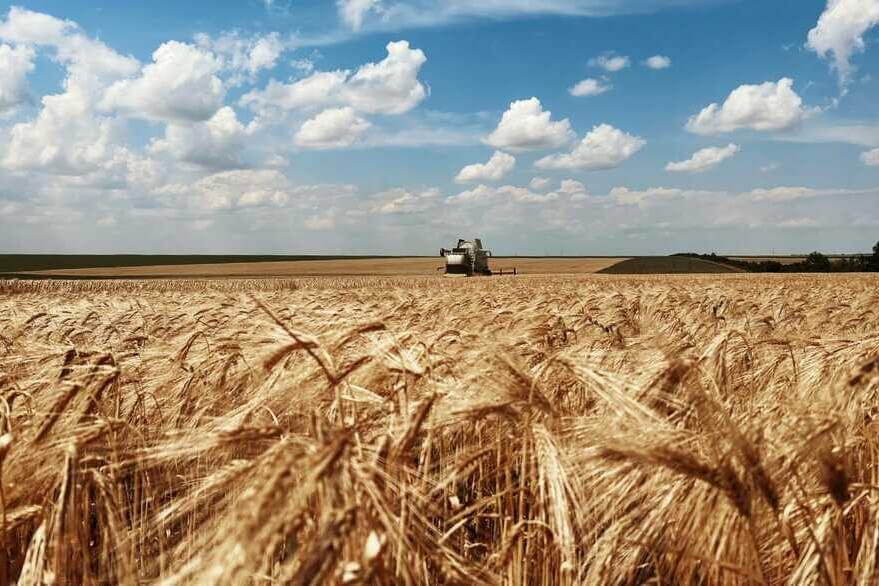
Wheat Prices Continue to Rise: Why Accurate Grain Sampling Is Becoming Increasingly Important
In May, the FAO Food Price Index remained generally stable, while the cereal segment continued to grow. The average cereal price index reached 114.3 points, up 2.6% from April and 4.9% higher than the same period last year.
One of the key drivers of this growth was the continued increase in global wheat prices, which rose for the fourth consecutive month. The market was influenced by lower crop forecasts in several major exporting countries, unfavourable winter wheat crop conditions, and higher fuel and fertilizer costs.
In these conditions, accurate and stable quality control of incoming raw materials becomes especially important for elevators, grain terminals, feed mills, and grain storage facilities. Wheat intake must be not only fast but also as objective as possible: proper sampling directly affects the reliability of laboratory analysis, the evaluation of each batch, and further decisions on storage, processing, or sale.
To automate this process, companies use FASTGRAIN automatic grain samplers, which allow fast and safe sampling from trucks. The equipment helps reduce the human factor, speed up vehicle intake, and ensure more consistent sample quality for further laboratory analysis.
FASTGRAIN samplers are suitable for wheat, barley, corn, legumes, oilseeds, feed raw materials, and other bulk products. The probe is designed for stable penetration into the material, including wet and dense grain, while the pressure control system helps perform sampling safely and accurately.
Automated sampling is especially relevant during periods of price volatility in the grain market. When wheat prices rise, every batch requires careful quality control, and the accuracy of analysis directly affects the economic performance of the enterprise.
